Tingling, Numbness, and Peppery Sensations in the Hands and Feet
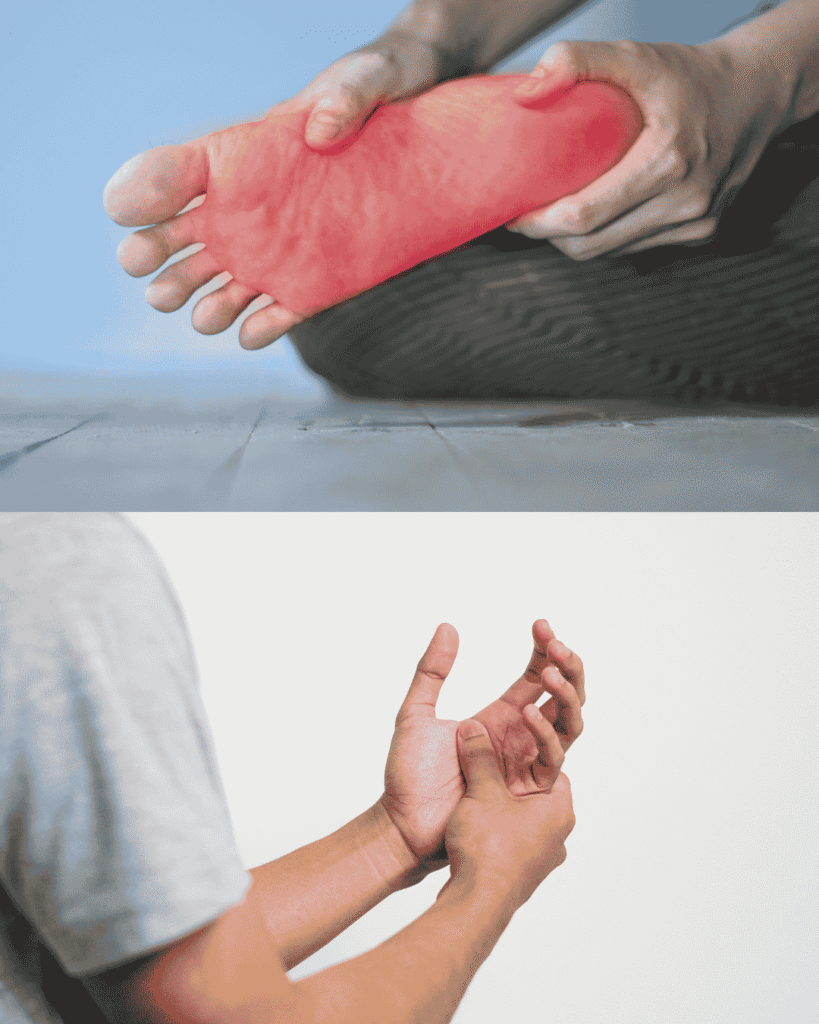
Almost everyone has experienced the strange, prickly feeling of a foot or hand “falling asleep” at some point in life. Usually, this happens after sitting cross-legged for too long during a long commute in Lagos traffic, leaning heavily on an elbow at your work desk, or waking up after sleeping in an awkward position on your arm. Once you stand up, stretch, or shake out the limb, blood flow and normal nerve signaling quickly return, and the pins-and-needles sensation fades away within a few minutes.
However, there is a vast difference between temporary pressure on a nerve and a persistent, recurring sensation of tingling, numbness, or burning heat that refuses to go away. Across Nigeria, many adults describe this ongoing discomfort specifically as a “peppery sensation” on the soles of their feet or the palms of their hands, while others report a constant crawling feeling under the skin or the sensation of wearing invisible, tight socks. When these symptoms become a nightly struggle or a daily distraction, they are no longer just a minor physical quirk—they are a clear warning sign of an underlying neurological condition known as peripheral neuropathy.
If you or a loved one living around Amuwo Odofin, Festac, Mile 2, or surrounding areas in Lagos are constantly rubbing your feet at night, soaking your legs in cold water, or taking random supplements just to calm down burning nerve pain, it is vital to understand what your nervous system is trying to tell you and when it is time to seek specialized medical care at Panox Hospital.
Understanding What Causes Tingling, Numbness, and “Peppery” Nerve Pain
To understand why your hands or feet are sending unusual pain or tingling signals, it helps to look at how your nervous system is wired. Beyond your brain and spinal cord lies a vast network of peripheral nerves that branch out to every finger, toe, muscle, and organ in your body. Think of these nerves as delicate electrical cables that carry messages back and forth between your brain and your limbs.
When these peripheral nerves become irritated, compressed, or damaged, their protective outer coating breaks down, causing them to misfire. Instead of sending normal signals when you touch something, damaged nerves may send spontaneous distress signals—creating burning, “peppery” heat or electric-like zaps even when nothing is touching your skin or they may stop sending signals altogether, leaving your fingers or toes completely numb. Different types of nerve symptoms point to different biological pathways:
Metabolic and Diabetic Nerve Damage
Prolonged high blood sugar is the leading cause of peripheral neuropathy worldwide. Over time, elevated glucose levels damage both the delicate nerve fibers and the tiny blood vessels that supply them with oxygen and nutrients. Because the nerves reaching your toes and feet are the longest in the body, symptoms almost always begin at the tips of the toes and gradually creep upward into the feet and lower legs, often accompanied by similar sensations in the fingertips.
Nutritional Deficiencies and Systemic Conditions
Your nerves rely heavily on essential nutrients—particularly B-complex vitamins like Vitamin B1, B6, and B12—to maintain their protective myelin coating and repair everyday wear and tear. Chronic dietary gaps, digestive conditions that block nutrient absorption, kidney or liver disorders, and thyroid imbalances can starve peripheral nerves, triggering widespread tingling, burning feet, and general weakness.
Pinched or Compressed Nerves
Not all tingling in the hands and feet starts in the limbs themselves. Sometimes, the issue originates in the neck (cervical spine) or lower back (lumbar spine), where a slipped disc, bone spur, or age-related spinal wear presses directly on a nerve root—a condition known as radiculopathy or sciatica. Similarly, repetitive strain at the wrist can compress the median nerve, causing Carpal Tunnel Syndrome, which leads to numbness and tingling concentrated in the thumb, index, and middle fingers.
The Hidden Danger of Ignoring Nerve Symptoms and Self-Medicating
When a “peppery” or tingling feeling in the feet first appears, the most common response is to brush it off as ageing, stress, or poor blood circulation. Many residents across Lagos visit local pharmacies to purchase standard painkillers, topical balms, blood tonics, or unprescribed multivitamins in hopes of quick relief. Unfortunately, tackling nerve damage with routine over-the-counter remedies carries two major risks.
First, standard everyday pain relievers—such as paracetamol or anti-inflammatory drugs—are designed to treat muscle aches and joint inflammation, not misfiring nerve pathways. Taking them repeatedly for burning nerve pain rarely brings lasting comfort and can expose your stomach, liver, and kidneys to unnecessary strain.
Second, and even more importantly, untreated nerve damage frequently progresses from painful tingling to complete numbness. While losing pain sensation might temporarily sound like relief, it actually removes your body’s natural alarm system. When your feet become numb, you can step on a sharp object, suffer a blister from tight footwear, or sustain a minor cut without feeling a thing. Especially for individuals with undiagnosed or poorly controlled diabetes, these unnoticed sores can rapidly develop into severe, hard-to-treat foot ulcers and infections. Addressing nerve symptoms early with a specialist is the single most effective way to halt nerve damage before permanent loss of sensation occurs.
Clear Signs It Is Time to Consult a Specialist
Knowing when to move beyond home remedies and schedule a professional medical evaluation comes down to tracking how your symptoms behave over time. Here are the key signs that you should book an appointment with a specialist at Panox Hospital:
1. Symptoms Persist for More Than a Few Days or Keep Returning
If the pins-and-needles, numbness, or burning sensations in your hands or feet do not disappear after changing your posture, or if they return day after day over several weeks, your nerves are experiencing ongoing irritation that requires clinical investigation.
2. The “Peppery” Burning Worsens at Night and Disrupts Your Sleep
Neuropathic pain is notoriously worse at night. When daytime distractions fade and room temperatures shift, damaged nerves often fire more intensely, making even the light touch of a bedsheet feel intolerably hot or painful. If foot discomfort regularly keeps you awake, you need targeted neurological therapy.
3. You Notice Gradual Weakness or Clumsiness in Your Limbs
When nerve damage extends from sensory fibers to motor fibers, you may find yourself dropping cups or keys more often, struggling to button your shirt, or feeling like your legs are unusually heavy when climbing stairs.
4. You Have Underlying Risk Factors Like Diabetes or High Blood Pressure
If you have been diagnosed with diabetes, prediabetes, hypertension, or thyroid disease—or have a strong family history of these conditions—any new tingling or numbness in your extremities warrants a prompt specialist checkup to protect your long-term mobility.
5. You Feel Unsteady on Your Feet
Healthy nerves in the soles of your feet constantly tell your brain where your body is positioned in space. When those nerves stop working properly, you may feel wobbly, lose your balance easilyes pecially in dimly lit rooms or feel as though you are walking on cotton wool.
Warning Signs That Require Immediate Emergency Care
While most cases of peripheral tingling and numbness develop gradually over weeks or months and can be evaluated during a routine clinic visit, certain sudden symptoms point to a life-threatening neurological emergency. Seek immediate emergency medical attention at a hospital if numbness or tingling is accompanied by any of the following red-flag signs:
- Numbness, tingling, or weakness that comes on suddenly—within seconds or minutes—especially if it affects only one side of your face, one arm, or one leg.
- Sudden difficulty speaking, slurred speech, confusion, or trouble understanding others.
- Sudden vision changes, severe dizziness, or an abrupt loss of balance and coordination.
- Rapidly spreading weakness or paralysis that starts in your feet and moves quickly upward toward your upper body and chest.
- Numbness in the legs or groin area accompanied by a sudden loss of bladder or bowel control, or severe lower back pain following a fall or injury.
These urgent symptoms can indicate a stroke, a transient ischemic attack (mini-stroke), acute spinal cord compression, or a rapidly progressing neurological disorder, where every minute of prompt hospital intervention counts.
At Panox Hospital, conveniently located in Amuwo Odofin, Lagos, our multidisciplinary team understands how frustrating and exhausting chronic nerve pain and numbness can be. Rather than merely masking your discomfort, we take a thorough, evidence-based approach to uncover the exact root cause of your symptoms and build a recovery plan tailored to your health needs.
1. In-Depth Clinical and Lifestyle History
Your journey to relief begins with a detailed consultation. Our specialists take the time to listen carefully to how your symptoms started, whether the sensation feels sharp, burning, or numb, what makes it better or worse, and how it affects your sleep and work. We also review your medical history, current medications, nutritional habits, and occupational posture to spot crucial diagnostic clues.
2. Comprehensive Neurological and Physical Assessment
Our doctors perform specialized bedside neurological tests to map out the exact pattern of nerve involvement. We gently evaluate your light-touch sensation, vibration perception, temperature sensitivity, deep tendon reflexes, muscle strength, and walking gait to determine whether the issue stems from peripheral nerves in the limbs or compressed nerve roots in the spine.
3. Targeted Laboratory and Diagnostic Screening
Because nerve damage is frequently driven by hidden systemic issues, our in-house diagnostic and laboratory unit runs precise blood screenings—checking fasting blood glucose, HbA1c (long-term blood sugar control), vitamin levels, kidney and liver function, and inflammatory markers. Where spinal compression or structural issues are suspected, advanced imaging studies help us visualize the exact site of nerve impingement.
4. Personalized Medical Management and Neuro-Rehabilitation
Effective nerve care requires a multi-faceted strategy. Depending on your diagnosis, your customized treatment plan at Panox Hospital may include:
- Root-Cause Correction: Stabilizing blood sugar levels, correcting specific vitamin deficiencies, or adjusting medications that may be irritating your nerves.
- Targeted Neuropathic Relief: Prescribing specialized, nerve-calming medications that quiet down overactive pain signals and restore restful, uninterrupted sleep.
- Specialist Physiotherapy and Rehabilitation: Working with our physiotherapy team on guided nerve-gliding exercises, posture correction, balance training, and strengthening routines that relieve spinal nerve pressure, prevent falls, and restore confident movement.
Taking the First Step Toward Healthy Nerves and Lasting Comfort
Living with constant tingling, numbness, or a burning “peppery” sensation in your hands and feet can drain your energy, steal your sleep, and quietly put your long-term mobility at risk. You do not have to accept chronic nerve discomfort as an inevitable part of growing older, nor should you keep guessing with over-the-counter remedies that leave the root problem untouched.
Whether your symptoms are newly emerging or have been troubling you for months, expert neurological and multispecialty care is right within reach in your community. The dedicated medical team at Panox Hospital in Amuwo Odofin is ready to provide the accurate diagnosis, compassionate guidance, and comprehensive treatment you need to protect your nerves and reclaim your comfort.
Do not wait until mild tingling turns into permanent numbness. Contact Panox Hospital today to schedule your comprehensive neurological evaluation and take a decisive step toward healthier, pain-free hands and feet.